
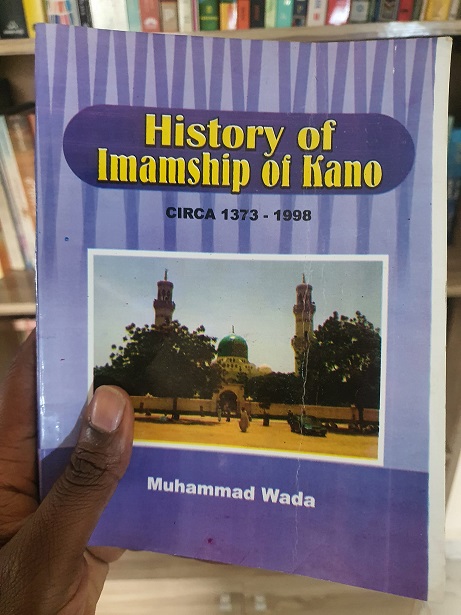
By Dr Shamsuddeen Sani
Where I got History of Imamship of Kano by Muhammad Wada is somewhat hazy in my memory, but it is an MA thesis that underwent a transformative process. The author undertook significant efforts to draw from diverse historical sources. This task merits recognition due to the inherent challenges associated with such an endeavour in the Kano historical tradition.
Despite its small physical size, this book ambitiously tackles a weighty subject matter. The initial chapter, which ideally should have served as a generous introduction, takes a look at the historical backdrop concerning the role of Imams within classical Sunni Islam. In doing so, it imparts valuable insights into their spiritual and intellectual significance. The second chapter charts the evolution of the Imams’ role within the classical religious culture of Kano before the advent of the Sokoto Jihad.
Commencing with the arrival of the Wangarawa during the 14th century, their influence played a pivotal role in the domestication of Islam as a state religion during that era. With the gradual expansion of their spiritual responsibilities and socio-political influence within the royal court, the Imams assumed a central position within the annals of Kano’s historical tradition.
The third chapter examines the transformative impact of the Sokoto Jihad at the turn of the 19th century, bringing about substantial changes to the role of Imams and how they were selected. These changes also served to define an expanded set of functions for the state-appointed Imam.
The author peppers fragments from the biographies of early post-Jihad Kano Imams alongside pivotal milestones punctuating their official lives. As the colonial powers exerted their influence in the early 20th century, the 4th chapter examines how the role of Imams underwent a notable shift, culminating in their formalisation within the judicial council, albeit with a subsequent reduction to primarily spiritual functions.
The book’s final chapter highlights the Imams and their ever-evolving roles from post-independence to the present. Moreover, it investigates the expansionist developments surrounding the establishment of Friday congregational prayer mosques across the state. While the book serves as a comprehensive introductory exploration of its subject matter, it might require additional intellectual depth that one might expect within broader, modern academic discourse.
There are also some ectopic clerical errors in the book that could have been identified and corrected before printing. While acknowledging the inherent challenge of achieving complete neutrality in historical works, it is reasonable to expect greater nuance and fairness in a work of this nature.
Dr Shamsuddeen Sani wrote from Kano. He can be reached via deensani@yahoo.com.
The review is appreciated. But the correct name of the author is Muhammad Wada not Muhammad WADI as written by the reviewer.