By Sabiu Abdullahi
Tensions between Iran and the United States have deepened after Tehran dismissed recent remarks by President Donald Trump on the status of the Strait of Hormuz, a key global oil route.
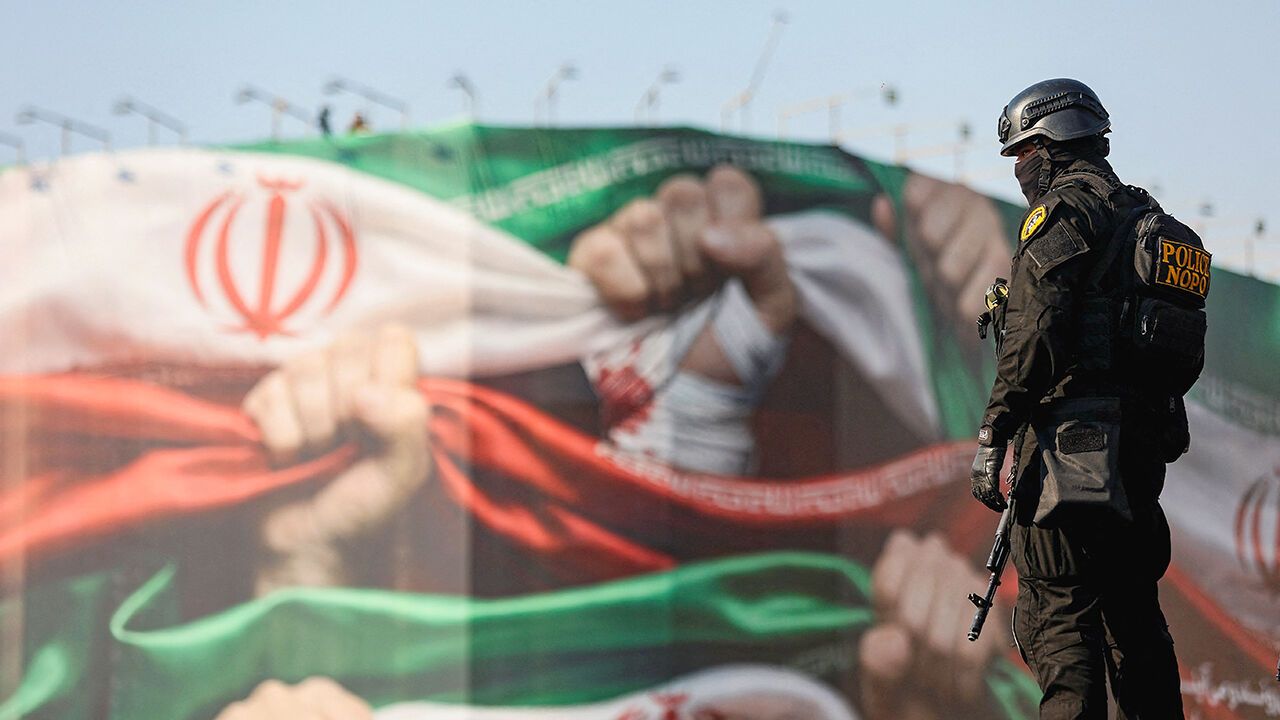
Iran’s Islamic Revolutionary Guard Corps (IRGC) said the strategic waterway remains under its authority and will not be influenced by pressure from Washington. In a statement, the IRGC said the situation in the Strait of Hormuz is “firmly and dominantly” under its control and “will not be opened to the enemies of this nation by the ridiculous displays of the U.S. President”.
The reaction followed comments by Trump, who claimed that Iran had sought a ceasefire amid ongoing hostilities. He linked any possible consideration by the United States to the reopening of the strait.
“Iran’s New Regime President, much less Radicalized and far more intelligent than his predecessors, has just asked the United States of America for a CEASEFIRE! We will consider when Hormuz Strait is open, free, and clear. Until then, we are blasting Iran into oblivion or, as they say, back to the Stone Ages!!!” Trump said earlier.
The exchange has drawn attention to the Strait of Hormuz, which serves as a vital channel for global energy supplies. The IRGC’s position reflects Tehran’s refusal to уступ control or accept conditions tied to external demands.
Iran’s President Masoud Pezeshkian had earlier indicated that his country is willing to end the conflict under certain terms. “We possess the necessary will to end this conflict, provided that essential conditions are met, especially the guarantees required to prevent repetition of the aggression,” Pezeshkian said during a phone conversation with António Costa on Tuesday, according to a statement from his office.
The disagreement highlights sharp differences between both countries over how to reduce tensions and manage access to key maritime routes. Observers say developments around the strait could affect global oil supply and market stability.
In a related development, Trump criticised the North Atlantic Treaty Organisation (NATO) after member states declined to support U.S. efforts linked to the situation. He described the alliance as a “paper tiger” and said pulling the United States out of NATO is now “beyond reconsideration,” according to an interview with The Telegraph.
The remarks signal growing strain between Washington and its European allies, as the dispute over the Strait of Hormuz continues to shape international security and economic concerns.