By Sabiu Abdullahi
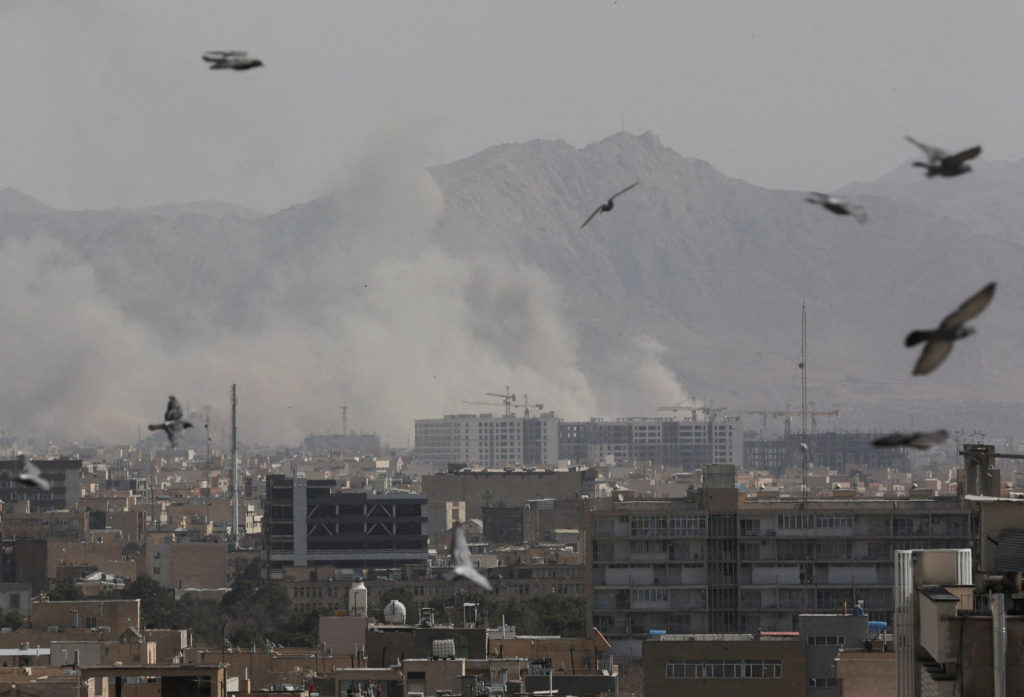
A new economic assessment has indicated that the United States’ military action against Iran could impose a heavy financial burden on the American economy, with potential losses reaching as high as $210 billion.
Kent Smetters, a fiscal analyst and director of the Penn Wharton Budget Model, said the conflict has already unsettled trade flows, global energy markets, and fuel prices. He explained in an interview with Fortune that estimating the exact cost of the war remains difficult due to uncertainty surrounding its duration and scope.
According to his projections, the economic loss could stand at about $115 billion under current conditions. However, he noted that the figure could be as low as $50 billion or rise to $210 billion, depending on how events unfold.
“One problem I have with cost of war calculations is that they really do ignore the counterfactual,” he told the outlet. “If Iran really did get a nuclear weapon, then we might have spent a lot more on military and even repair of cities later on.”
President Donald Trump has acknowledged the possible strain on the economy. He has proposed measures aimed at stabilizing energy supplies, including government-backed insurance and naval escorts for oil tankers passing through strategic routes in the Gulf.
“If necessary, the United States Navy will begin escorting tankers through the Strait of Hormuz, as soon as possible,” President Donald Trump announced on Tuesday on Truth Social. “No matter what, the United States will ensure the FREE FLOW of ENERGY to the WORLD. The United States’ ECONOMIC and MILITARY MIGHT is the GREATEST ON EARTH.”
Speaking with reporters in Washington, the president admitted that oil prices could remain elevated “for a little while,” but expressed confidence that costs would eventually decline. He said once the conflict ends, “these prices are going to drop, I believe even lower than before.”
Energy markets have already reacted to the hostilities. By the end of trading on Tuesday, West Texas Intermediate crude rose by more than five percent. Data from the American Automobile Association also showed that the national average price for a gallon of gasoline increased by more than 10 cents.
Economic observers say the overall impact will depend largely on the length of the war and whether key shipping lanes remain secure.
“Markets are right now really under-pricing the tail risk of a sustained engagement and an operation that does not wrap up quickly, restore travel through the Strait of Hormuz and get everything back to de-escalation and normal in a timely manner,” former Biden economic adviser and chief of policy and advocacy at the Groundwork Collaborative, Alex Jacquez, told The Associated Press.
Beyond the broader economic effects, the military campaign itself may require substantial federal spending. Estimates suggest the operation could add about $65 billion in budgetary costs as U.S. air and naval forces mobilize across the region.
In a letter to Congress, President Trump stated that it is “not possible at this time to know” how long the mission, known as Operation Epic Fury, will continue.
“Although the United States desires a quick and enduring peace, it is not possible at this time to know the full scope and duration of military operations that may be necessary,” Trump wrote Monday.
He has earlier indicated that the bombing campaign could last “four to five weeks.”