By Anas Abbas
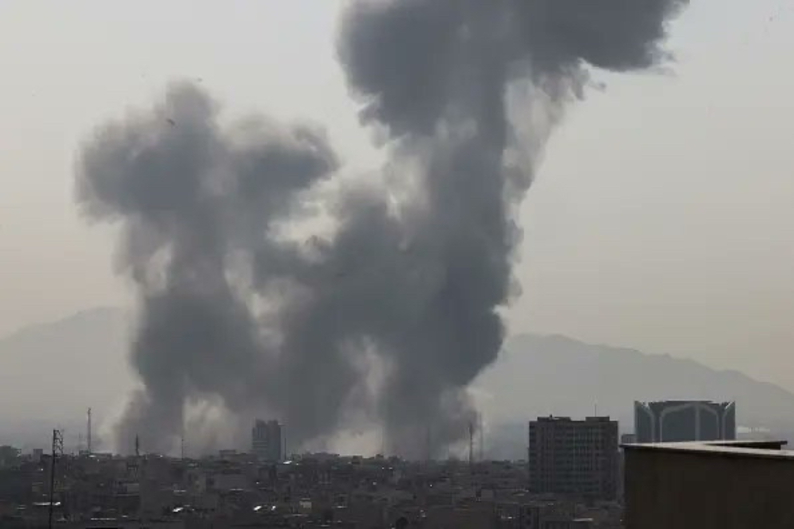
Russia and China have publicly criticised the ongoing military campaign by the United States and Israel against Iran, warning that it risks destabilising the Middle East and undermining diplomatic efforts.
Chinese Foreign Minister Wang Yi made direct contact with his Israeli counterpart, urging an immediate halt to the bombardment of Iranian territory. China has framed the strikes as a setback to negotiations that had been making headway in addressing Iran’s nuclear programme and regional security concerns. According to him, military action interrupted progress that was being achieved through talks.
In a statement released by China’s foreign ministry, Wang stressed that continued fighting would deepen instability, increase civilian suffering, and fray international norms governing sovereign relations. He reaffirmed Beijing’s preference for diplomatic engagement over force and called for all parties to resume peaceful negotiations without delay.
On the same day, Russian Foreign Minister Sergei Lavrov echoed similar concerns in Moscow, questioning the justification for the attacks. He pointed out during a press briefing that there is no credible evidence that Tehran was actively pursuing a nuclear weapon, the publicly stated reason for the military action.
Lavrov argued that the strikes could have the opposite effect of what their architects intended, potentially driving Iran and other states to seek nuclear capabilities as a deterrent.
Lavrov warned that the conflict may prompt a broader nuclear arms race in the region if countries feel compelled to arm themselves in response to military threats. He also criticised the US and Israeli approach as “unprovoked aggression,” underscoring that such actions violate international norms and threaten regional peace.
Russia has offered to assist in diplomatic efforts to resolve the crisis but has firmly rejected any justification for the current offensive campaign.
Both Beijing and Moscow are pushing for renewed diplomatic channels to be opened, including through international institutions and direct talks, emphasising that military solutions cannot resolve deeply rooted political disputes. Their positions signal widening international concern over the conflict and mounting pressure for a ceasefire and negotiated settlement.