
By Sabiu Abdullahi
Humanitarian workers have raised fresh concerns over the deteriorating living conditions in the Gaza Strip, warning that freezing temperatures are worsening the health situation of displaced families as Israel maintains tight restrictions on relief supplies.
Doctors Without Borders, also known as MSF, disclosed on Wednesday that infants across Gaza are “suffering from severe cold” while thousands of families remain in fragile, makeshift shelters following months of destruction.
The organisation reported a surge in respiratory infections, skin ailments and other cold-related illnesses, which have spread rapidly among vulnerable groups living in overcrowded and poorly protected encampments.
In a message shared on social media, the group stated: “People are facing torrential rain and heavy winds while living in makeshift shelters,” and added, “All the while Israel continues to block or delay the entry of vital supplies like tents, tarpaulins, and temporary housing.”
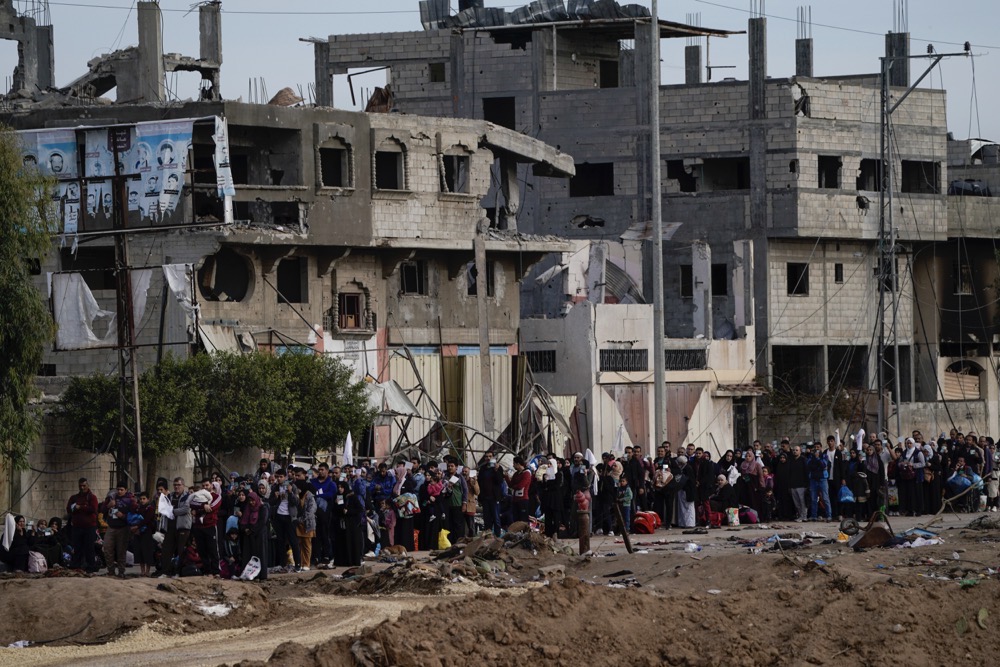
Large parts of Gaza’s population have been displaced since the outbreak of the war, forcing hundreds of thousands of families to seek refuge in tent settlements and damaged structures that offer little protection against the harsh winter weather.
Humanitarian observers note that the continued blockade of essential materials has contributed to widespread hunger and worsening health conditions. Legal analysts have also pointed out that the restrictions breach Israel’s obligations as an occupying power to ensure the welfare of civilians in territories under its control.
The limits on aid deliveries also contradict a ceasefire arrangement brokered by the United States in October, which required Israel to permit the daily entry of 600 humanitarian trucks into Gaza. Despite repeated appeals from the United Nations and other international bodies, the restrictions have remained in place.
Israel has further tightened its stance by cancelling the operating permits of 37 aid organisations, among them MSF and the Norwegian Refugee Council. The new regulations demand extensive disclosure of staff details, funding sources and operational activities.
Responding to the development, MSF said the decision “is a cynical attempt to prevent organisations from providing services in Palestine and is in breach of Israel’s obligations under international humanitarian law”.
Meanwhile, Gaza continues to endure strong winds, heavy rainfall and sub-zero temperatures, which have intensified the suffering of displaced families sheltering in inadequate living conditions.
The ceasefire has not halted violence completely. According to figures released by the Palestinian Health Ministry, at least 424 Palestinians have lost their lives since October 11, while another 1,199 people have sustained injuries in continued Israeli attacks.
As winter deepens, humanitarian agencies warn that without the urgent delivery of shelter materials and relief items, the health crisis in Gaza could worsen further in the coming weeks.