
By Zayyad I. Muhammad
In just 24 hours, Nigeria’s national grid collapsed twice, marking the seventh collapse over the past year. These disruptions are not new; they reflect longstanding issues within Nigeria’s power sector, driven by inadequate infrastructure, maintenance challenges, vandalism, and systemic corruption. The persistence of the national grid across almost all administrations that came before President Bola Ahmed Tinubu’s administration highlights how deeply rooted the problem is.
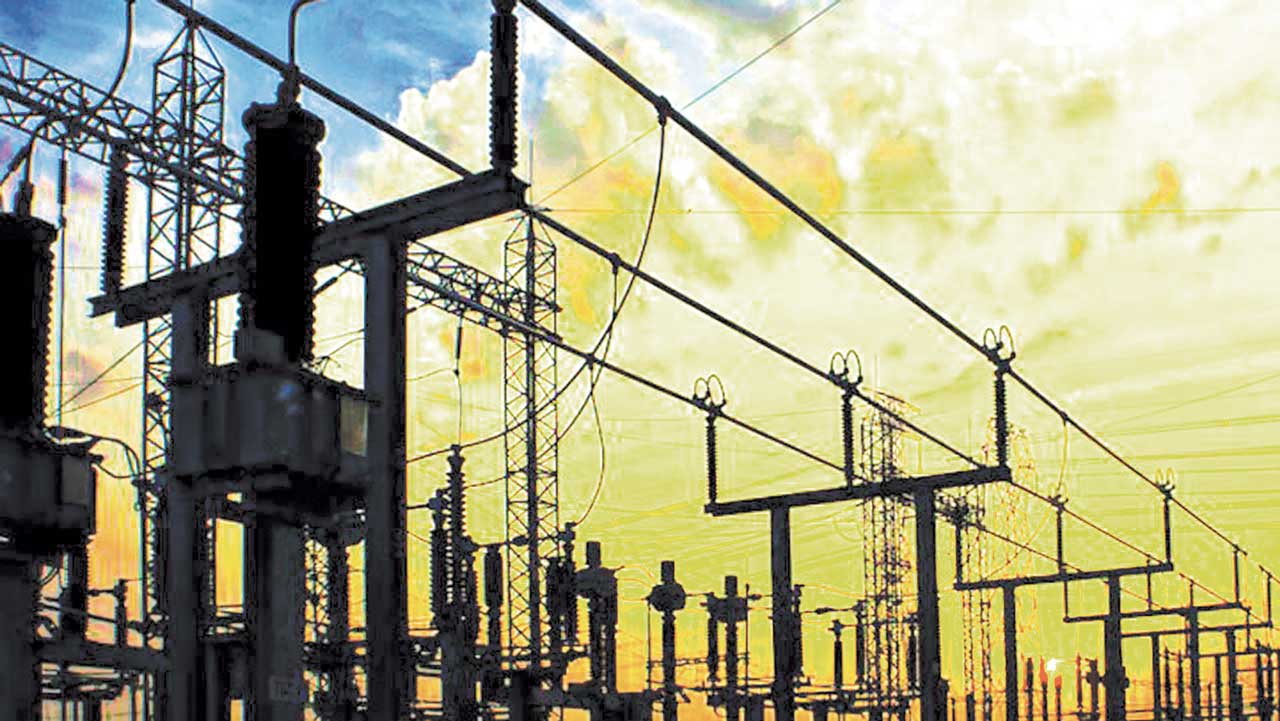
Many ordinary Nigerians are unfamiliar with the concept of the national grid. The national grid is an interconnected network designed to deliver electricity from producers to consumers. The grid comprises generation stations that produce electricity, high-voltage transmission lines that carry this electricity over long distances, and distribution systems that reduce the voltage for delivery to homes and businesses.
Why does Nigeria’s national grid often experience collapses? Many Nigerians have accepted that these ‘collapses’ are part of the country’s electricity sector.
Can Nigeria stop the frequent collapse of its national electricity grid? Certainly. Many countries have achieved reliable and efficient electricity generation, transmission, and distribution systems, providing their citizens with consistent access to power. These nations have demonstrated that it is possible to overcome infrastructure challenges and create a resilient energy sector.
To achieve similar results, Nigeria should benchmark against the successes of other countries, learning from their strategies and best practices. However, it must also consider its local needs and unique challenges, such as geographical diversity, population distribution, people’s pockets, the need to support businesses and varying energy demands. An effective strategy would involve engaging local stakeholders and addressing issues like outdated infrastructure and insufficient maintenance.
This approach can realise stability and reliability in the national grid. Furthermore, substantial investments in infrastructure, technology, and human resources are essential. This includes upgrading existing facilities and investing in renewable energy sources to diversify the energy mix.
Building a skilled workforce to manage and maintain the grid will also be crucial. With the proper focus and investment, Nigeria can transform its electricity sector and ensure reliable power for all its citizens.
Zayyad I. Muhammad writes from Abuja via zaymohd@yahoo.com