
By Sabiu Abdullahi
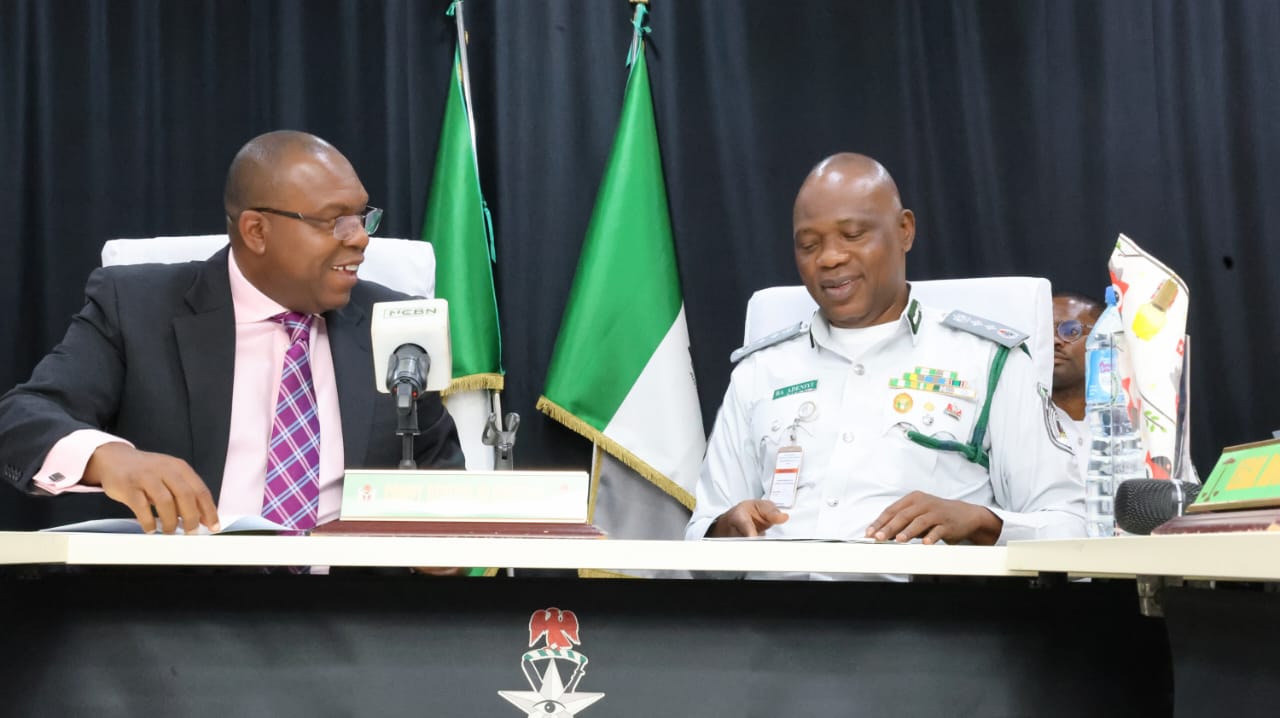
The Nigeria Customs Service (NCS) and the Joint Tax Board (JTB) have inked a memorandum of understanding (MOU).
The MOU, signed on March 18, 2024, at the NCS headquarters in Abuja, marks a great step towards fostering a more robust economic landscape in Nigeria.
The signing ceremony, which followed a productive meeting held on January 16, 2024, saw the participation of key stakeholders, including the Comptroller-General of Customs, CGC Bashir Adewale Adeniyi MFR, and the Secretary of the Joint Tax Board, Olusegun Adesokan.
Both parties expressed their commitment to collaborative efforts aimed at enhancing tax management and facilitating economic growth. During the event, CGC Bashir Adewale Adeniyi MFR underscored the significance of the collective endeavour, emphasising the tireless efforts invested in finalising the MOU.
He highlighted the MOU’s role in laying a solid foundation for future initiatives and integrating fiscal policies to streamline data facilitation processes.
The MOU signifies a landmark achievement in strengthening strategic collaboration between the NCS and the JTB.
It is poised to pave the way for enhanced coordination and synergy in driving economic development initiatives across the nation.
In his remarks, Olusegun Adesokan, the Executive Secretary of the Joint Tax Board, commended the foresight of the parties involved in reaching this milestone.
He lauded the dedication and vision demonstrated by the teams, noting that the successful signing of the MOU is a testament to their commitment to advancing Nigeria’s economic interests.
The MOU between the Nigeria Customs Service and the Joint Tax Board reflects a shared commitment to fostering sustainable economic growth and ensuring effective tax management practices.
As both entities embark on this collaborative journey, the prospects for a more vibrant and prosperous economy for Nigeria appear brighter than ever before.
This partnership heralds a new era of cooperation and synergy in tackling the challenges and opportunities inherent in the nation’s fiscal landscape, setting the stage for transformative outcomes and lasting impact on Nigeria’s economic trajectory.