
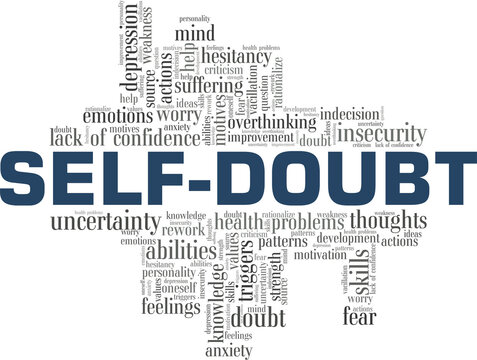
By Tijani Abiola
Confidence is often identified as one of the most important things in the complicated and vital
tango of life to make us closer to climbing the zenith of achievement and satisfaction. But there remains a counterintuitive danger of this confidence in low confidence. This perverse situation exposes a series of pitfalls to anyone who dares venture for his rescue from falling into the lake of un-assuredness.
Low confidence is a silent saboteur that can keep an individual’s real potential at bay and stop him from dead in his growth years. The problem is not just the lack of self-assurance; it is also that in the bargain, one may lose out on several choices and chances that come one’s way. Damaging to confidence, it makes it a self-fulfilling prophecy that will not allow people to reach their potential, dreams and its dreamer as an example.
Here’s one major pitfall to the detriment of decision-making. Confidence acts like a north star, which helps manoeuvre through choices wide and small. Yet if confidence wanes, decisions become a minefield of hesitation and second-guessing that often results in blown chances and unrealised potentials, taking a chance with all efforts put into that dream beautiful, and in the end, it ends in the cloud.
Moreover, low confidence may develop a fear of taking risks. Innovations and success often require moving out of the comfort zone, and low confidence becomes a formidable bar to step into the new possibilities.
The amplified fear of failure causes individuals to shy away from challenging situations that prevent personal and professional growth. In self-reflection, high expectations by oneself and getting negative feedback from what you know and believe you are best at can drop down your level of confidence.
Poor self-confidence also takes its toll on interpersonal relationships. Confidence in oneself, both in their personal and professional contexts, attracts others to affiliating in pursuit of collaboration and cooperation. On the other hand, relying on low confidence would draw people further away, thereby stifling interactions and bilateral communication.
Sailing through the treacherous sea of self-doubt will require an intentional snapping out of the chains of low confidence. Seeking mentorship, investing in personal growth and learning to celebrate small wins will be critical in building and maintaining confidence. By embracing challenges, learning from failures, and reframing negative thoughts, low confidence will change gradually into powerful catalysts for growth.
In conclusion, having confidence at your lowest level is a delicate challenge that calls for self-reflection and conscious action. Realising the effects they can have on one’s life and engaging actively in building confidence opens up opportunities they thought could not come by, instilling them with resilience and confidence even when situations are uncertain.
Tijani Abiola is an executive assistant at Skyline University Nigeria with a passion for writing.
This is inspiring. I totally love it