By Abdullahi Mukhtar Algasgaini
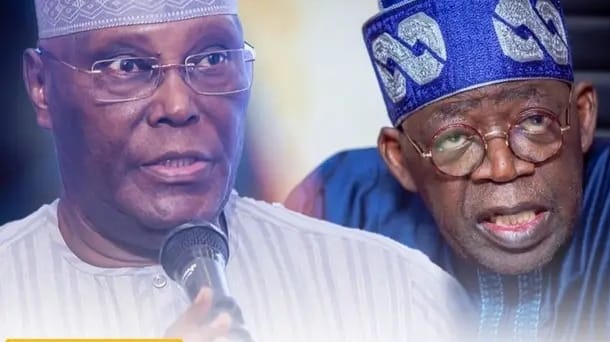
The presidency has accused former Vice-President Atiku Abubakar of policy confusion and political gamesmanship following what it described as three contradictory statements on petrol subsidy within a single week.
In a strongly worded statement, Special Adviser to the President on Information and Strategy, Bayo Onanuga, questioned whether the 2023 presidential candidate is proposing a serious economic policy or merely exploiting the temporary economic discomfort facing Nigerians.
The controversy began when Atiku’s spokesperson, Paul Ibe, announced that the former vice-president would restore petrol subsidy if elected president and later phase it out, describing it as a temporary intervention to give Nigerians and businesses room to recover.
However, another senior aide, Phrank Shaibu, quickly issued a clarification, describing Ibe’s statement as “unauthorised and misleading.” Shaibu insisted that Atiku would not set a predetermined date for ending the subsidy, but would maintain it until domestic refining expands and market conditions stabilise.
Hours later, Atiku himself intervened, effectively overruling the clarification and insisting his position “has not changed.” He reiterated that he would restore what he called a “targeted subsidy” if elected president, stating: “I will restore targeted subsidy and put purchasing power back in the hands of Nigerians.”
Presidency Questions Economic Understanding
Onanuga challenged the former vice-president’s understanding of petroleum market dynamics, pointing out that petrol prices are influenced by multiple factors including international crude oil prices, exchange rates, refining costs, transportation, and distribution.
“Petrol does not become cheap simply because government orders a subsidy or because competition is expected to emerge,” Onanuga stated.
The presidency also took issue with Atiku’s argument linking fuel prices to food inflation, noting that Nigerians experienced rising food prices even during years when petrol subsidy was in place.
“Agricultural productivity, insecurity, exchange rates, logistics, storage, flooding, input costs, money supply and supply constraints also matter,” the statement read.
Technical Questions on Subsidy Proposal
The presidency raised specific technical questions about Atiku’s proposal, asking whether he is aware that refined petrol constitutes only 45 per cent of the by-products of a refined barrel of crude oil.
Other products include aviation fuel, kerosene, and diesel – the latter deregulated during the Obasanjo-Atiku administration in 2004. The statement questioned whether Atiku would subsidise all these by-products as well.
Onanuga urged Atiku to explain precisely what he means by “targeted subsidy,” including its cost, beneficiaries, funding mechanism, and the objective economic conditions that would determine its eventual termination.
“The economy is too serious for policy somersaults, incoherence, destructive populism and election gimmicks,” the statement concluded.