
By Dr Kabir Asgar
Nobody disputes that students in a university environment need to participate in sports, recreation, cultural activities, social interaction, and entrepreneurship. In fact, our great Ahmadu Bello University (ABU), Zaria, itself presents holistic student development as part of its mission.
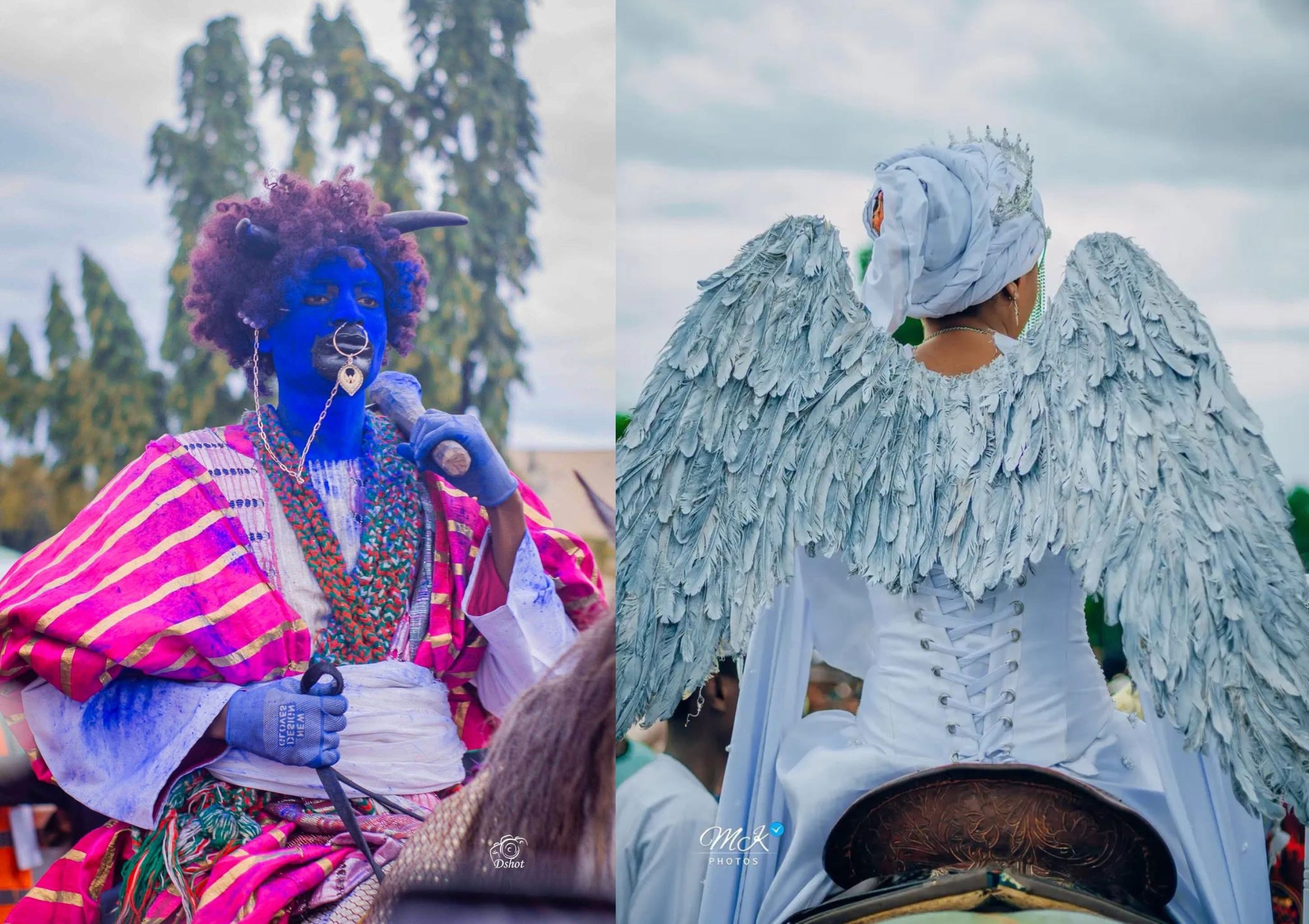
This relatively new yet popular ABU-SRC Cultural Carnival has now become a regular fixture on the calendar for every Second Semester at ABU Zaria. Looking at its popularity, the attention it’s getting from all stakeholders, and the distraction it creates, I cannot help but ask: could the timing, scale and intensity of this event be one of the factors that compete with students’ academic concentration and, perhaps, contribute in some measure to the challenges we sometimes observe in undergraduate examination performance?
Let’s think about the amount of energy, time and resources students put into their weeks-long intensive preparations for the carnival, as well as the money spent on costumes, transportation, rehearsals, entertainment and other logistics. For many students, the excitement surrounding the event inevitably competes for their attention with lectures, laboratory work, assignments, projects, and examination preparation.
I am not arguing that the university should have no cultural or recreational activities. Never. I’m aware that the training of these students and the development of their mental and industrial skills extend beyond the classroom, and that cultural activities can have legitimate educational and social value. My concern is rather about proportion, timing, end results, and priorities.
To the best of my knowledge, no assessment is conducted to investigate the academic impact of this carnival and/or other related extracurricular activities on the participating students; therefore, there is no reliable data to base a judgement on. Yet, there is a need to ask questions such as: Does its timing interfere with students’ academic responsibilities? How much time and money do students invest in the event? Who are the person(s) financing the carnival, and what return(s) do they aspire to? And, most importantly, do the educational and developmental values of the event justify its scale and its place in the academic calendar?
There is also the moral and religious dimension, which I deliberately leave aside for the moment: the nature of some of the displays, immodest dressing, unrestricted interaction between male and female students, the conduct of the rehearsals, the chaotic nature of the event and the kind of entertainment sometimes associated with such events should all be subjected to our religious and moral values.
Even if we temporarily put all those concerns aside, one fundamental question remains: What kind of university do we want ABU Zaria to be, and what should occupy the greatest share of our students’ time, attention and energy? Perhaps this is not a call to abolish the carnival, but rather a call for the university to pause, reflect, and objectively evaluate its academic, financial, social, and moral implications.
May Allah continue to guide us to the right path, amin.