
By Umar Sani
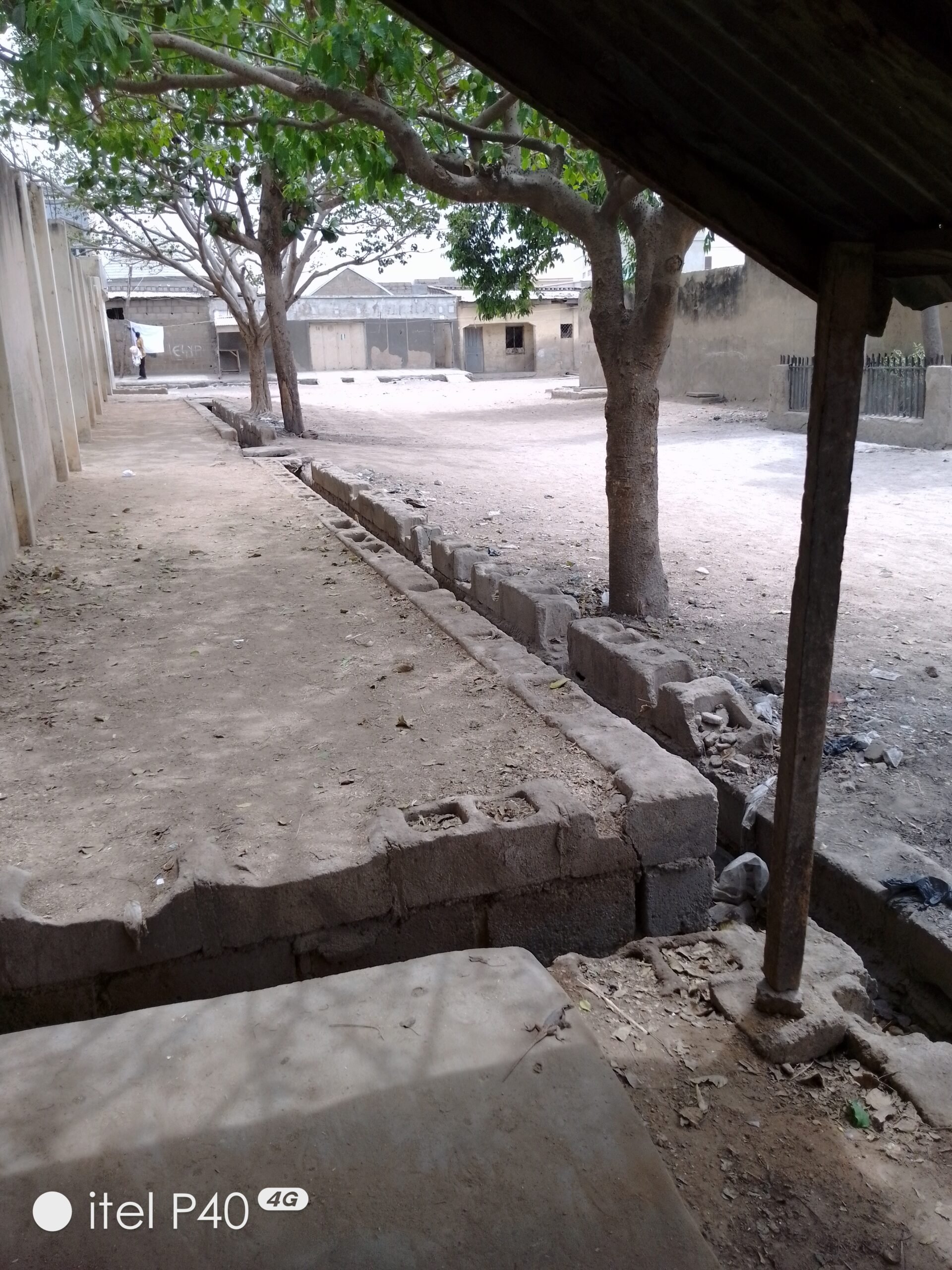
In the heart of Darmanawa, a community in Kano city that was once enriched by natural water resources, a relentless battle against water scarcity now rages. This pressing issue, a matter of life and death, stands as a stark reminder of the failures in governance and the unyielding grip of greed that plagues our society.
For generations, the people of Darmanawa lived harmoniously with abundant water sources, a testament to nature’s generosity. But today, the narrative has shifted drastically, leaving residents grappling with the harsh reality of waking up before dawn to embark on a futile quest for water.
The dawn chorus is no longer accompanied by the soothing flow of streams or the gurgling of wells. Instead, it echoes with the footsteps of weary souls like my friend, Aminu, and me, trudging through the darkened streets in search of a basic necessity.
The root cause of this crisis is not nature’s reluctance but, rather, human neglect and shortsightedness. The government’s failure to manage water resources efficiently and the insatiable greed of the affluent, who hoard water from boreholes, exacerbate the plight of the common people.
We are left with no choice but to rely on water vendors whose prices soar higher with each passing day, adding financial strain to an already burdened populace. Even this temporary relief is insufficient, forcing us to venture further, to places like Makabarta, in pursuit of “Mai ruwa,” a term that has become synonymous with hope in our parched reality.
The consequences of water scarcity extend far beyond mere inconvenience; they permeate every facet of life. Health suffers as access to clean water becomes a luxury, hygiene standards plummet, and diseases lurk in the shadows. Education is compromised as children spend valuable hours fetching water instead of attending school. Economic activities dwindle, perpetuating a vicious cycle of poverty and despair.
Amid these challenges, however, a glimmer of resilience lies within our community. Local initiatives to conserve water, promote rainwater harvesting, and raise awareness about responsible water usage have sprouted like oases in a desert. These efforts, though small, carry the promise of a better future, where water is not a commodity but a fundamental human right.
As we reflect on Darmanawa’s struggle with water scarcity, we must remember that this is not merely a local concern but a global crisis demanding immediate attention. Sustainable water management, equitable distribution, and community empowerment should take center stage in our pursuit of a water-secure world.
The unforgiving thirst of Darmanawa serves as a poignant reminder that water is not merely a source of life; it is life itself. It’s time we quench this thirst, not only with water but also with collective action, empathy, and a commitment to a brighter, hydrated future for all.
Together, let us turn the tide, one drop at a time, until every cup is filled and every faucet flows freely once more.
Umar Sani Adamu (Kawun Baba) wrote via umarhashidu1994@gmail.com.