By Abdullahi Mukhtar Algasgaini
President Bola Ahmed Tinubu has approved the creation of a new Presidential Petroleum Reform & Value Optimisation Taskforce, tasking it with designing the next phase of structural reforms in Nigeria’s oil and gas industry.
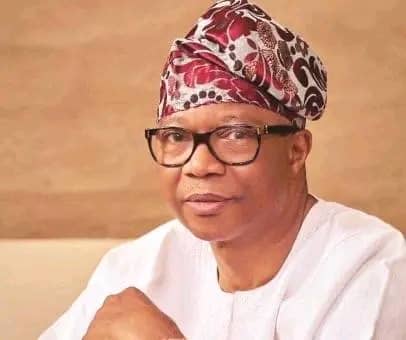
The time-bound, high-level working group is chaired by Mr. Fola Adeola, a co-founder of Guaranty Trust Bank and founder of the Fate Foundation. The President has tasked the committee with producing execution-ready blueprints aimed at consolidating ongoing reforms, unlocking capital, and strengthening Nigeria’s position as a premier global energy investment destination.
The Taskforce includes a diverse group of members: Ademola Adeyemi-Bero, Osagie Okunbor, Abubakar Suleiman, Adaeze Aguele, Farouk Gumel, Phillipa Osakwe-Okoye, and Seyi Bella. Mofoluwasho Fadayomi will serve as secretary.
Operating as a technical reform body rather than a representative committee, the group is expected to engage industry operators, regulators, investors, and civil society as consultees while focusing on actionable policy design.
The Taskforce has been given a clear mandate to deliver three major reform blueprints within six months. According to a State House press release, the deliverables include:
1. Immediate Structural Fixes: An implementation toolkit featuring draft legislative amendments, executive instruments, and institutional restructuring proposals.
2. Capital & Liquidity Acceleration Blueprint: A strategy aimed at unlocking between $5–$10 billion in sectoral liquidity while safeguarding Nigeria’s sovereign interests.
3. National Energy Transformation Strategy: A ten-year roadmap with measurable targets for production, foreign exchange earnings, GDP contribution, and cost competitiveness.
The Taskforce will report directly to the President, providing monthly progress memoranda. An interim report is expected in three months, with final outputs due within six months of its inauguration.
To ensure coordination and avoid duplication, President Tinubu has directed all existing committees, teams, and working groups established under various reform initiatives within the sector to align their activities with the new Taskforce.
Furthermore, all relevant Ministries, Departments, and Agencies (MDAs) have been instructed to provide full technical support and share institutional knowledge with the group. The Taskforce is designed to be a temporary body and will automatically dissolve upon submission and acceptance of its final report.
The Presidency stated that the creation of the Taskforce represents a strategic instrument to accelerate reforms, strengthen governance, and position Nigeria’s petroleum resources as a foundation for sustainable economic transformation.