By Uzair Adam
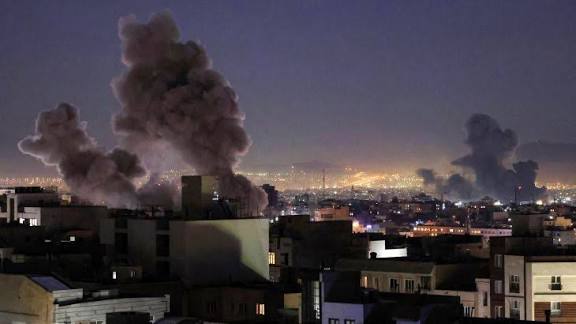
The Ummah Movement has condemned what it described as an unprovoked and premeditated joint military attack on the Islamic Republic of Iran by the United States and Israel, warning that the action could trigger a wider regional and global conflict.
In a statement signed by its National Amir, Prof. Muhammad Babangida, on Sunday, the group expressed shock over the reported simultaneous strikes carried out on Saturday, 28th February 2026.
The movement said it was saddened that U.S. President Donald Trump and Israeli Prime Minister Benjamin Netanyahu allegedly chose the holy month of Ramadan to launch what it termed “criminal aggression” against Iran.
It also referenced the ongoing war in Gaza, claiming that more than 70,000 lives had been lost in previous joint military actions.
According to the group, the attack on Iran was launched despite what it described as ongoing negotiations in Geneva, which it alleged were used as a cover for regime change.
The Ummah Movement said the action was capable of igniting a broader regional confrontation with “unlimited disastrous consequences.”
The statement further condemned what it called the assassination of Iran’s Supreme Leader, Ayatollah Kharana’i, and other senior officials.
“This is a cowardly act which sets a dangerous precedence in conflicts between nations,” the group stated, accusing the United States and Israel of disregarding international laws and conventions in pursuit of expansionist goals.
The movement called on the Nigerian Federal Government to publicly denounce the strikes and review any existing military agreements with the United States and Israel.
It also urged Muslim-majority countries in the Middle East to shut down U.S. military bases within their territories and expel American troops as a step toward restoring peace in the region.
The group warned that failure by Muslim countries to act promptly could lead to a wider global confrontation, potentially drawing in Russia and China on the side of Iran, particularly if the conflict disrupts global fuel supplies in the Gulf.
Ummah Movement condemns U.S.-Israel strikes on Iran, warns of looming global war

ByAdmin
1 March 2026