By Sabiu Abdullahi
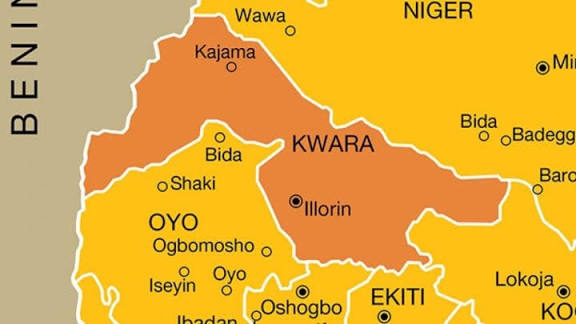
Worsening insecurity has disrupted religious activities in parts of Kwara State, as many Muslim faithful now avoid night congregational prayers during the ongoing Ramadan.
Investigations revealed that residents in Edu and Patigi local government areas have stopped attending Maghrib, Isha’i and Tarawih prayers in mosques due to rising security threats and restrictions on movement.
According to a report by SaharaReporters, communities affected include Gbugbu town, Kpanpkanragi village in Edu Local Government Area, as well as Gamalegi, Lataworo, Motokun and Agboro in neighbouring Patigi Local Government Area.
Residents said mosques that were usually filled during Ramadan evenings now witness low turnout. Many worshippers prefer to remain indoors because they fear possible attacks while returning home at night.
A source in Gbugbu explained that fear has altered long-standing religious practices.
“Everyone knows our mosques used to fill every night in Ramadan. But now people are afraid. Many families pray inside their homes because going to the mosque after sunset is risky,” the source said.
Another resident from Kpanpkanragi village linked the situation to repeated attacks in riverine areas of Kwara North.
“People have been attacked on roads and in nearby villages. Nobody wants to take chances anymore. Once it gets dark, people now avoid leaving their house. We all saw what happened in Gbugbu when the terrorists invaded the town during this Ramadan,” he said.
Locals also pointed to the curfew imposed in Edu and Kaiama local government areas as a major factor. Authorities introduced the restriction after recent attacks by armed groups in the region.
Residents said the curfew has made it difficult for people to gather for evening prayers, which are central to Ramadan observances.
One resident noted that the measure, though aimed at improving security, has affected religious life.
“The curfew means people must stay indoors early. Even those willing to attend Tarawih prayers cannot risk being stopped or caught outside. So mosques remain nearly empty at night,” he said.
In Motokun community, a worshipper described the situation as unusual.
“We have never experienced a Ramadan like this. Tarawih prayers used to overflow outside the mosque. Now only a few elderly people come, and even they leave quickly out of fear,” he said.
Residents blamed frequent incidents of killings, kidnappings and armed attacks in Edu, Kaiama and nearby communities for the growing panic. Many villagers now limit their movements even beyond the official curfew hours.
Meanwhile, a separate attack was reported in Dadinkowa town in Maiyama Local Government Area of Kebbi State, where suspected members of the Lakurawa group stormed a mosque during prayers.
Gunmen reportedly opened fire on worshippers, killing four people on the spot and injuring several others. Sources said the attackers arrived heavily armed and targeted the mosque directly.
The injured victims were later taken to nearby medical facilities for treatment.
Fear of attacks forces Kwara communities to suspend night Ramadan prayers

ByAdmin
26 February 2026