
By Muhammad Isyaku
I closed late in the shop the other day at around 11:00 pm and went straight to our plaza’s parking space to take my bike since our shop was upstairs. I drove earnestly home, knowing it was already night and there was nothing I had to buy. From Malumfashi’s township market to our community is a journey. I have to pass many communities before reaching ours.
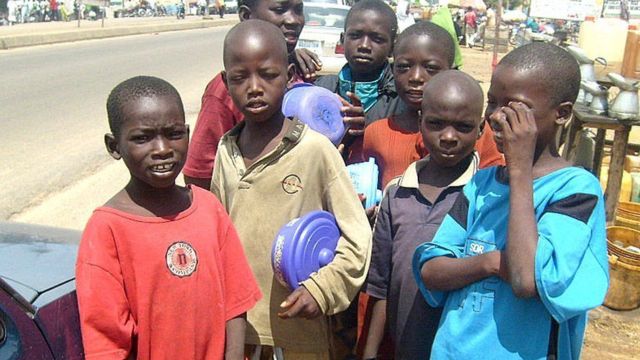
Along my way down home, around the Gwamutsawa community, I saw a small boy of 7 to 8 years crying loudly and terribly on the other side of the road. The road has a long-cemented expressway that divides it for motorists’ passage. I had to stop by and call the boy to cross the road by climbing the expressway to come and meet me where I parked. He did as I instructed but still kept on crying, which utterly moved me. I have to overpower the pity and emotions to interrogate him.
What was the matter, and from where is he? He told me he is an Almajiri of one Malam at Hawan-Usman-Lado. He added that he was hungry and didn’t want to go to school because their Malam would beat him. I asked what you did to him. He answered that he didn’t return to school for the evening lesson, for which the offence attracts a penalty.
I admonished him to return to school on time so that he would not miss any lessons that would make their Malam flog him. He obediently said, “Okay, I would.” I asked him where he was from, and he said Maraban Jos. I further asked if his parents were alive, and he answered no. His answer nearly made me shed tears, as I thought only an orphan who is abandoned by his family and a child born by a careless parent could be sent to a traditional Qur’anic school in such a faraway place at this tender age.
Two passers-by also met us on the spot and joined me in sympathy and condemnation. One of them even cursed the teacher (Malam) the child mentioned. The other person who didn’t curse the teacher, as his ally did, put his hand in his pocket and brought out some change, which he gave to the boy. I gave him my change, too, and asked him to climb my bike to take him to school and apologise to the teacher on his behalf.
Upon hearing that, he continued to cry by firmly refusing to climb my bike. Those two people asked to follow me, and he said their teacher would flog him after I left. We insisted he climb, assuring him we would not allow him to flog him. He had no option but to climb, and he did, so I made a U-turn and headed to the community where he alleged their school was located.
Unfortunately for the boy, he started asking me to drop him off before I reached the roundabout, saying he would go by himself. I ignored him and continued moving until I reached the roundabout and saw a group of Almajirai by the other roadside. I asked them if they knew him and were from the same school; they said yes. I then asked him to use the money we gave him to buy food and eat after he should then follow them to school.
They all started shouting ‘Dangari ne fa’, meaning he’s an indigenous boy! I was shocked by their confession. When I turned to him, he was nowhere to be found. They asked, “How much did you give him?’ I told them it was a small amount just for food.
I bid them good night and went home. However, I still questioned the kind of home training that boy was given and the level of his smartness for mischievously looking innocent and faking his identity. If a boy of such age could lie that way, then I wonder what he might be capable of doing if he grows into a full-fledged man.
In Allah, we seek rectitude!